

Inside Dicker Data's Cybersecurity Strategy: Lessons in Resilience, Risk and AI from Ian Welch

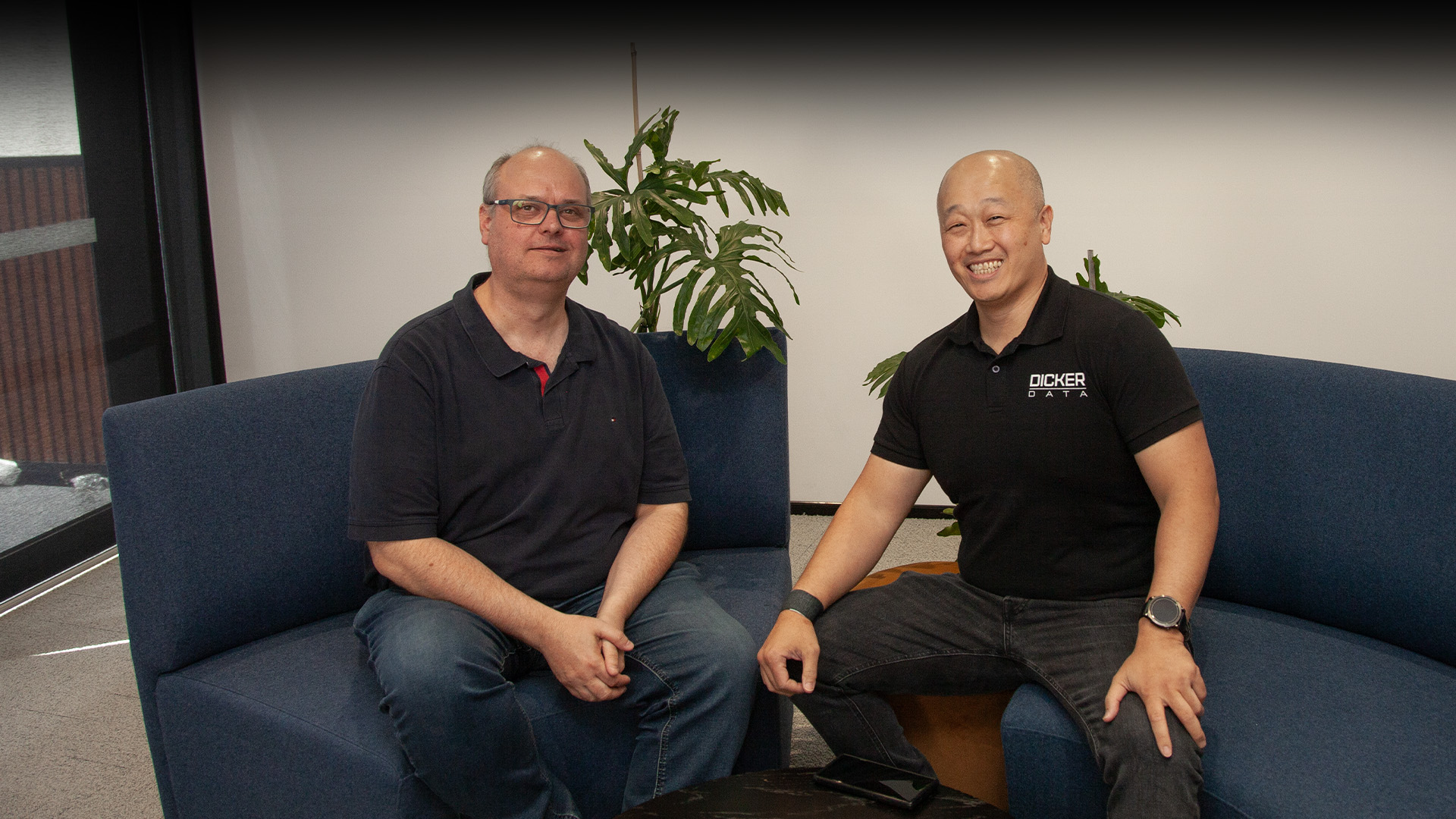
As part of Dicker Data's new Cybersecurity Webinar Series, I sat down with Executive Director & CIO, Ian Welch, to discuss how Dicker Data approaches cybersecurity, resilience and risk management.
Did you know, Dicker Data's cybersecurity processes recently defended the business against more than 20 million attacks in a single weekend?
It's one example of why cybersecurity at Dicker Data is approached as a business risk, not simply an IT issue. With a Zero Trust strategy, regular disaster recovery testing and a whole-of-business approach to cyber resilience, Dicker Data is continually assessing how it protects its systems, data, operations and partner trust.
Throughout the session, Ian shared practical examples from within the business and the lessons partners can take from Dicker Data's approach to strengthen their own cybersecurity strategies and customer conversations.
Business Risk First: What Guides Dicker Data's Cybersecurity Investment
With no shortage of emerging threats and new security technologies entering the market, organisations can easily find themselves reacting to headlines rather than focusing on business priorities.
At Dicker Data, cybersecurity investments are guided by risk and business impact.
The first question isn't "What technology should we buy?"
It's "What are we protecting, and what would happen if those systems became unavailable?"
"At Dicker Data, we generate between 3,000 and 4000 invoices a day. As you can imagine, if we have an outage even for an hour, the idea of rolling back to a backup from one hour ago, is unpalatable. There could be hundreds of invoices that need to be re-keyed, re-reconciled. That sort of added workload would take us a long time to come back from."
By understanding operational dependencies and potential business impacts, Dicker Data can make informed decisions about where security investments will have the greatest value.
"Every organisation has to think about risk and risk appetite. What are the consequences of a breach? What are the consequences of an outage? Once you understand the potential impact on the business, you can invest accordingly. The answer will be different for every organisation because their priorities and risks are different."
Partner takeaway: Security investment should be aligned to business risk and operational impact not driven solely by trends or pricing.
How is AI Accelerating Cybersecurity?
For Ian, AI's impact on cybersecurity isn't about entirely new threats emerging overnight. Instead, it's accelerating existing threats by making them faster, more scalable and easier to execute.
"The vulnerabilities in PHP that recently came out and affected so much of the internet weren't new. They've always been there. I think the difference is just the sheer scale. Phishing attacks and those types of threats have always existed. It's just the size and scale. AI has put cyber threats on steroids, amplifying both their speed and sophistication.”
This shift is changing how organisations need to think about risk. The barriers to launching sophisticated attacks are falling, while the speed at which attackers can identify and exploit vulnerabilities continues to increase.
At the same time, Ian sees significant opportunities for organisations to use AI to strengthen their own security posture.
"The idea of pointing AI backwards at our own organisations and helping get AI to help us secure things, analyse log files, identify new patterns and automatically adapt our security posture, that's where things become really interesting."
While the threat landscape is evolving rapidly, Ian believes AI can become a valuable tool for security teams, helping organisations identify risks faster, improve visibility and respond more effectively to emerging threats.
Partner takeaway: AI is transforming both sides of cybersecurity. As attackers use AI to operate at greater scale, organisations should also explore how AI can help improve visibility, automate analysis and strengthen their defences.
Weekly Disaster Recovery Testing: Dicker Data Puts Resilience into Practice
For Ian, resilience isn't just about preventing incidents. It's about ensuring the business can recover quickly when something goes wrong.
That's why disaster recovery testing is built into Dicker Data's operational processes rather than treated as an annual compliance exercise.
"We really want to have those predefined playbooks, so we say, okay, in this scenario, this is what we do. It could be as simple as turning systems off and restoring from backups, or it could be more complicated."
Those playbooks provide a clear framework for responding to incidents, but at Dicker Data they're backed by regular testing.
"One of the things we do here is we actually run a full disaster recovery scenario of our primary accounting system. Every Sunday, it's rolled back to a new set of virtual machines on a new cluster. It's a fully automated process. We don't treat disaster recovery as a tabletop exercise once every six or 12 months. We do it every single week. By building it into our standard processes, we've got peace of mind that it works."
Partner takeaway: When did you last test your own recovery processes, or your customer's? Is your current testing frequency enough for the level of risk you're managing? Recovery plans are important, but resilience comes from regularly testing them. The organisations best prepared for disruption are the ones that continuously validate their ability to recover.
Beyond IT: Dicker Data Makes Cyber Risk a Business-Wide Responsibility
At Dicker Data, cybersecurity isn't viewed as an IT challenge. It's a business challenge.
The reason is simple. A cyber incident doesn't just impact systems. It has the potential to affect operations, customer experience, partner relationships and revenue. That's why our approach to cybersecurity extends beyond technology, involving people, processes and the wider business.
For Dicker Data, that means taking a whole-of-business approach to risk management. Cybersecurity isn't treated as something that sits solely with IT. Security awareness, governance and data protection practices extend across the organisation, helping employees understand their role in protecting company and customer information.
"It's probably the individual between the keyboard and the seat. That's the most vulnerable part of our organisation."
That challenge is becoming even greater as AI makes sophisticated phishing attacks easier to create and harder to detect.
"AI has made a lot of phishing scams a commodity. They're very easy to prompt engineer and build. The idea that staff are going to spot an email because the logo is slightly out of place, those days are gone. The phishing attack is perfect. The replica website looks identical. So, we need more than just spray and pray."
For Ian, this is why cybersecurity can't rely on awareness training alone. Organisations need the right balance of education, governance and enforcement to reduce risk and protect sensitive information.
"What if employees are cutting and pasting company information into public AI, posting things on social media, and the list goes on? That's why cybersecurity is a team sport. We want to make people aware, educate and detect, but we also need enforcement. We need to make sure we're classifying data correctly and protecting sensitive information."
Ultimately, technology alone can't solve cybersecurity challenges.
"People remain one of the biggest risks, but they're also one of your most important defences. Building a culture where everyone understands their role in cybersecurity is critical because security isn't owned by one team. It's everyone's responsibility."
The lesson for partners is clear: modern cyber risk extends far beyond the IT department. What processes, policies and cyber training do you have in place across your own business and your customers' businesses? Are you relying on awareness alone, or are education, governance and enforcement working together?
Protecting Partner Trust Through Preparedness and Communication
As a distributor, Dicker Data sits at the centre of a large ecosystem of vendors, partners and customers.
For Ian, cybersecurity is about more than protecting systems and data. It's about protecting trust.
"The data is important, but ultimately what you're protecting is trust. If your customers lose confidence in your ability to protect their information or deliver services, that's often where the biggest impact occurs. Trust can take years to build and can be damaged very quickly."
That focus on trust influences not only how Dicker Data approaches cybersecurity internally, but also how we work with partners. Rather than leading with products, Ian believes the most valuable conversations start with understanding a customer's priorities, business objectives and risk profile.
"Every MSP or MSSP should be having this conversation with customers. What's important to them? Is it convenience? Is it security? What's important from a data perspective? You need to understand those priorities and then evaluate the risks."
This is particularly important for SMBs, where cybersecurity investments need to deliver meaningful outcomes without adding unnecessary complexity.
Just as importantly, organisations need to be prepared for the moments when things don't go according to plan.
"Things will go wrong. The organisations that navigate incidents best are usually the ones that prepare, communicate transparently and respond quickly. Having a clear plan for how you'll engage customers, partners and stakeholders is just as important as the technical response."
For Dicker Data, maintaining trust means treating communication, preparedness and honest risk conversations as essential parts of cybersecurity, not secondary considerations.
Partner takeaway: Trust is built long before an incident occurs. Understanding customer priorities, having open conversations about risk, and responding transparently when issues arise can strengthen both security outcomes and customer relationships.
From Dicker Data's Experience to Your Cybersecurity Strategy
Cybersecurity isn't becoming a new challenge. It's becoming a faster one.
From embedding disaster recovery testing into weekly operations to treating cybersecurity as a business-wide responsibility, Ian's message was clear: resilience isn't built through technology alone.
The lessons shared throughout the webinar reflect Dicker Data's own approach to cybersecurity, combining people, processes and technology to manage risk, build resilience and maintain trust.
Whether you're reviewing your recovery strategy, exploring the impact of AI or helping customers navigate cyber risk, the starting point remains the same: understand what matters most, and build your security strategy around it.
Join Our Next Cybersecurity Webinar
Cyber threats continue to evolve, and staying ahead requires ongoing education and collaboration.
Join us on 13 November for the next session in Dicker Data's Cybersecurity Webinar Series: The MSSP Shift: What Partners Need to Know
We'll explore how the managed security services landscape is evolving, what partners need to know to stay competitive, and how to capitalise on emerging opportunities. Register here.
Ready to Strengthen Your Cybersecurity Strategy?
Get in touch with Dicker Data's local cybersecurity specialists to discuss the solutions, services and expertise that can help your organisation build resilience, manage risk and protect what matters most.
Frequently asked questions
What does cybersecurity is a team sport mean?
Cybersecurity requires involvement from leadership, IT, employees, partners and vendors. Effective cyber resilience relies on people, processes and technology working together.
What is cyber resilience?
Cyber resilience is an organisation's ability to prepare for, withstand, respond to and recover from cyber incidents while maintaining business operations.
What is risk appetite in cybersecurity?
Risk appetite refers to the amount of cyber risk an organisation is willing to accept based on its operational, financial and strategic requirements.
How is AI changing cybersecurity?
AI is increasing the speed and scale of cyberattacks while also helping organisations improve vulnerability detection, threat analysis and incident response.
Why is trust important in cybersecurity?
Trust underpins customer relationships, partner confidence and organisational reputation. Maintaining trust before, during and after an incident is critical to long-term business success.
What should SMBs prioritise first?
SMBs should start with foundational controls such as MFA, strong password policies, security awareness training, backup and disaster recovery planning, and recognised frameworks such as Essential Eight.
Inside Dicker Data's Cybersecurity Strategy: Lessons in Resilience, Risk and AI from Ian Welch
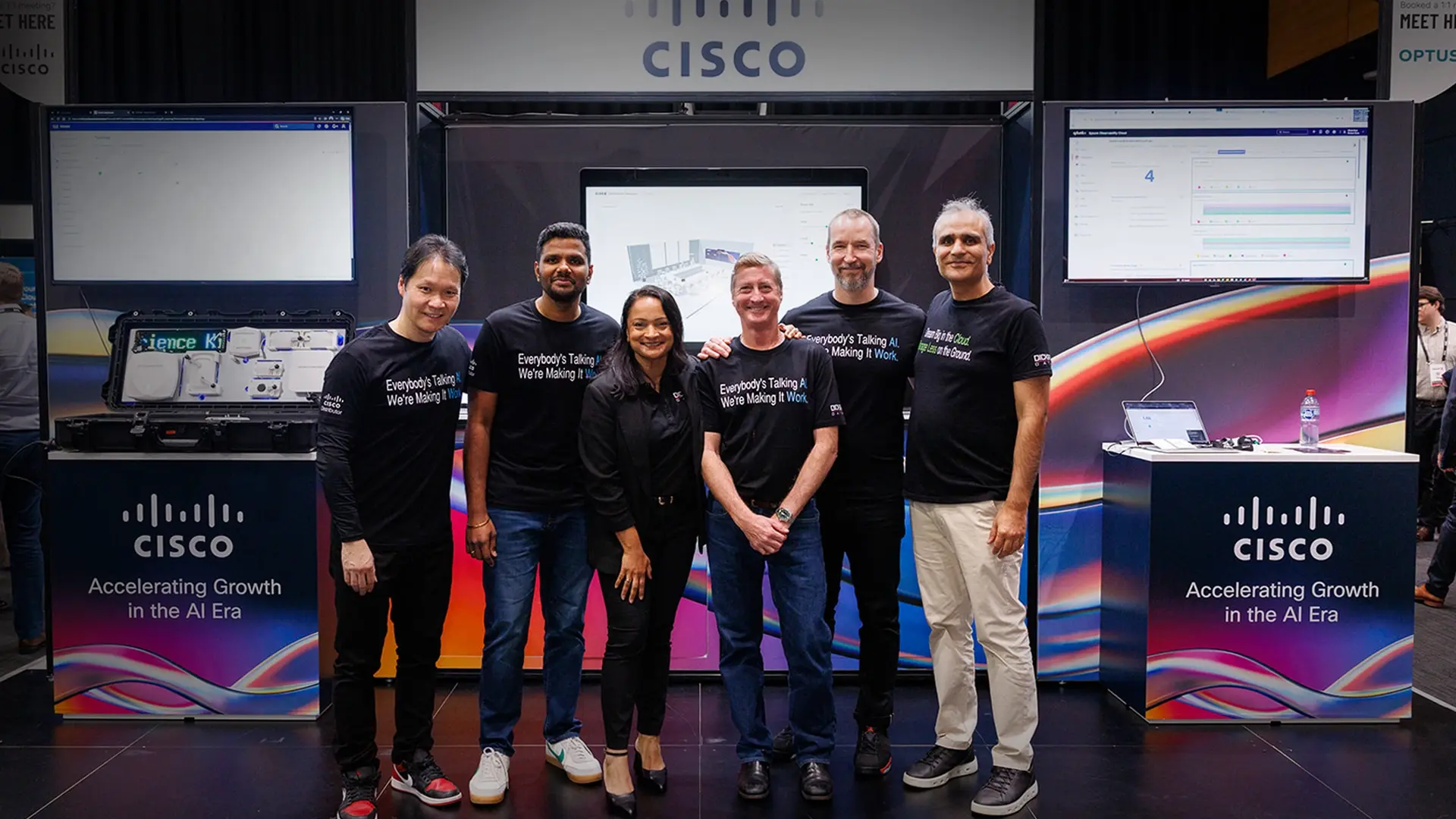
Dicker Data named Cisco APJ Distributor of the Year for FY26
Dicker Data & Sektor: Building the Next Chapter of Growth Together
Partner With Us
Our resellers outperform the competition and deliver next-level solutions for clients thanks to our unique, value-added services.